
The area
What to See in Dorgali and Cala Gonone: A Guide to the Area
Published October 9, 2026 · updated October 26, 2026 · 12 min read
Dorgali, Cala Gonone and the Supramonte explained: where things are, what to see, hiking, history, food and how to plan three days.
Anyone searching for "what to see in Dorgali" and anyone searching for "what to see in Cala Gonone" is really looking at the same area: a mountain town facing the Gulf of Orosei and, a few kilometres further down, its seaside hamlet. In this guide we put things in order: where everything is, what is truly worth the trip, what you do on foot and what by boat, and which geography mistakes to avoid (there are quite a few: Gorropu, for example, is between Urzulei and Orgosolo, even though one trail starts from Dorgali).
In short
- Dorgali (about 8,200 inhabitants) is a town in the Barbagia region, in the province of Nuoro; Cala Gonone is its only frazione and its outlet to the sea.
- The area combines sea (Palmasera, Cala Fuili, the coves of the Gulf), archaeology (Serra Orrios, Nuraghe Mannu, Tiscali) and nature (the Ispinigoli and Bue Marino caves, trails in the Supramonte).
- Some famous places are not in Dorgali: Gorropu lies between Urzulei and Orgosolo (one of its trails starts from Dorgali), while Cala Mariolu and Cala Goloritzé are in Baunei.
- Three days are enough to combine the town, the nuragic sites, the sea and a hike without rushing.
Dorgali and Cala Gonone: one area, two souls
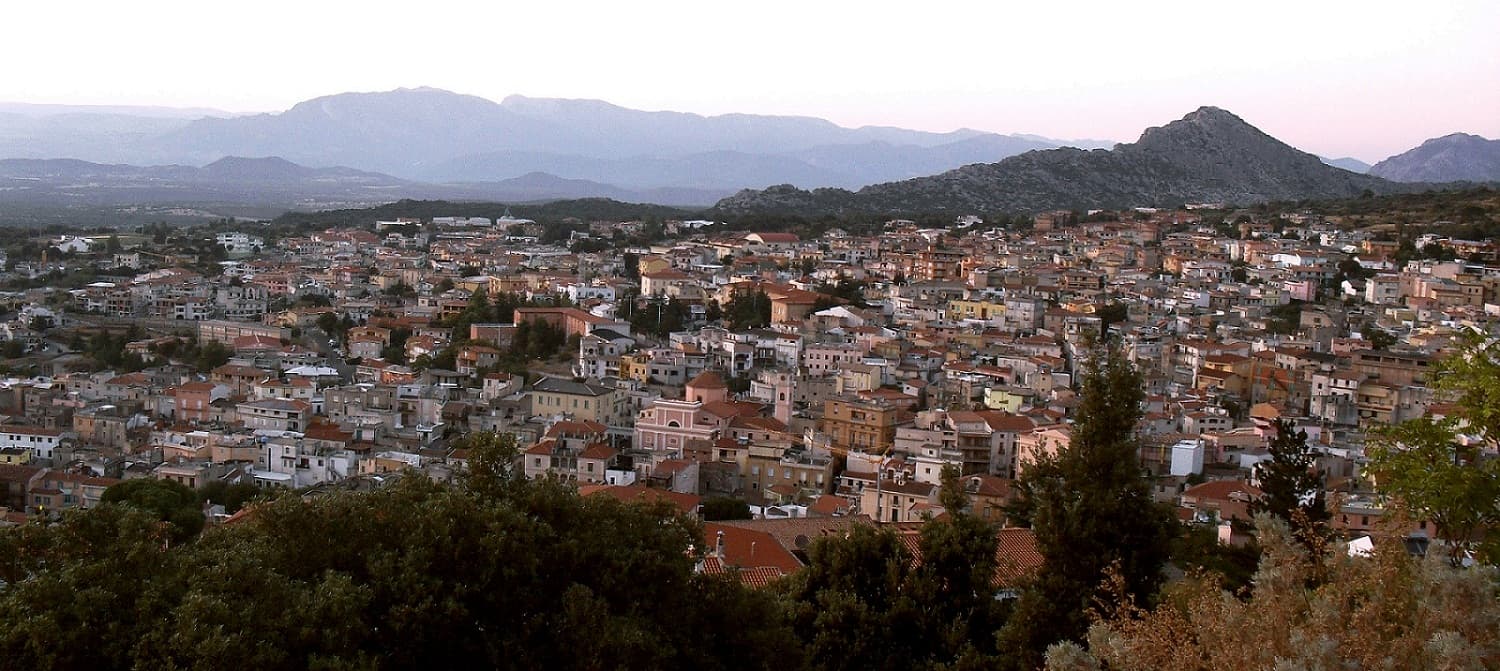
Dorgali is a municipality in the province of Nuoro, in central-eastern Sardinia, about 30 km from the provincial capital. It has about 8,200 inhabitants (8,256 on 31 December 2024, ISTAT data) spread over more than 226 km², making it one of the largest municipalities on the island. The town sits at about 390 metres above sea level, at the foot of Monte Bardia and Monte Tului, and is a Barbagia town that nevertheless looks out to the sea.
Cala Gonone is Dorgali's only frazione. From the town you drop down to the sea with a few kilometres of road and a short tunnel, which Sardegna Turismo describes as the "gateway between mountain and sea". That contrast is the character of the place: up above, pastoral traditions, crafts and wine; down below, bays, harbour and beaches.
Almost everything you will visit lies between these two poles, but watch the borders. Some of the most famous places on this coast do not belong to Dorgali: the Gola di Gorropu is, according to Sardegna Turismo, between Urzulei and Orgosolo (one of the access trails starts from Dorgali), while Cala Mariolu, Cala Goloritzé and Cala Sisine are in the municipality of Baunei. You get there starting from here, but administratively (and in terms of access rules) they are a different story.
The Supramonte and the Gulf of Orosei: why this place is out of the ordinary
Behind Dorgali rises the Supramonte, a limestone massif carved by water over millennia. The result is a landscape of gorges, sinkholes and caves: the Gorropu gorge, the sinkhole that hides the village of Tiscali, the caves of Ispinigoli and Bue Marino. In front lies the Gulf of Orosei, with its sheer cliffs and coves that can only be reached on foot or from the sea.
Nature, too, lives on these contrasts. Aquilegia nuragica, an endemic flower, is known according to the IUCN from a single population, right in the Gorropu gorge, and is classed as critically endangered. Among the fauna of the Gorropu gorge, Sardegna Turismo mentions the mouflon and the golden eagle, which nests there.
What to see in Cala Gonone
Palmasera is the widest stretch of coast in Cala Gonone: pale, fine sand mixed with gravel, a shallow and gently sloping seabed, services close by. Overlooking the adjacent central beach is a 1920s Liberty-style villa, a reminder of the village's first tourist days. Palmasera is also the beach where we work: if you want to know how sunbed and umbrella rental at Palmasera works, you will find everything on the dedicated page.
Continuous with Palmasera and about a kilometre from the town, Sos Dorroles has orange and pink tones, which Sardegna Turismo attributes to the wall of limestone debris behind it and to pinkish grains of sand brought in from elsewhere. Mind you, the famous Pink Beach is not here but on Budelli, in the La Maddalena archipelago, and you cannot land on it; we explain it in a dedicated guide. Further on, Cala Fuili is the last cove you can reach by car: you go down a flight of steps cut into the rock to a beach of pale sand mixed with stones, and it is the starting point of the trail to Cala Luna. In the same area Sardegna Turismo also lists Cala Cartoe, Cala Osalla and Ziu Martine.
From the harbour boats leave for the caves and coves: among the operators, the Nuovo Consorzio Trasporti Marittimi has brought several companies together since 1985. The best-known stop is the Bue Marino Caves, reached from the sea: the tourist route is about 900 metres long on lit walkways and takes about an hour with guides. The name recalls the monk seal, which used to frequent these caves: the stable colony disappeared between the 1970s and the 1980s and sightings are extremely rare today, so do not expect to see one. Boat trips follow the season and the weather, and bad weather can cancel departures, so it is wise not to pin everything on a single available day.
Cala Luna is one of the most famous beaches on the island: about 800 metres of fine sand. You get there by boat or on foot from Cala Fuili. Two things to know: according to Sardegna Turismo the boundary between Dorgali and Baunei runs at the mouth of the stream, and the two municipalities have a long-standing dispute over which of them the beach belongs to, which flared up again in summer 2024 over the visitor cap and ticketing; in addition, rules limiting access to Cala Luna and the Baunei coves have been introduced in recent years. Before you go, check the up-to-date information on the website of the Municipality of Dorgali and on that of the Municipality of Baunei.
Cala Gonone also has the Aquarium, opened in 2010 and with more than twenty tanks: a good alternative on windy days or if you are travelling with children.
What to see in Dorgali and around
The Civic Archaeological Museum of Dorgali, in via Lamarmora, holds the finds from Serra Orrios, Roman underwater discoveries and a copy of the bronze diploma of the mercenary Tunila. It is the best way to get your bearings before visiting the sites.
Serra Orrios, about ten kilometres from the town, is a nuragic village-sanctuary with dozens of round huts and two "megaron"-type temples, visitable with a guide. It was excavated by Doro Levi between 1936 and 1938. The Tomb of the Giants of S'Ena 'e Thomes, in the Isalle valley, has a stele more than three and a half metres high.
Above Cala Gonone stands Nuraghe Mannu, a single-tower nuraghe inside a settlement of more than two hectares, on a promontory about 200 metres above the sea. It was in use from the Middle Bronze Age to the Iron Age, between the 16th and 9th centuries BC, and then in Phoenician, Punic and Roman times. You leave the car and cover the last stretch on foot, about 800 metres; the visit is with an authorised guide.
The Ispinigoli Cave is the most spectacular natural stop in the hinterland: a chamber about 80 metres wide with a limestone column 38 metres high, among the most imposing in Europe according to Sardegna Turismo. The temperature is constant at 15 °C, so bring a sweater even in summer; the visit is guided and includes about 280 steps. The Abisso delle Vergini, about sixty metres deep, remains outside the tourist route.
Hiking: Cala Fuili–Cala Luna, Tiscali and Gorropu
The area is one of the great stages of Sardinian hiking, but it demands respect: long trails, little shade, no refreshment points along the way (there is a kiosk with a bar-restaurant at Cala Luna). Carry plenty of water, suitable shoes and a hat, and set off early. In high summer temperatures can exceed 35 °C: in July and August many hikers choose the early morning hours or postpone.
- Cala Fuili – Cala Luna: the classic for those staying in Cala Gonone, with 1.5–2 hours of walking one way along the coast. Think about the return: if you walk back, allow the same time and reckon with the afternoon heat; in season there are also water-taxi services from Cala Luna to Cala Gonone (check times and prices).
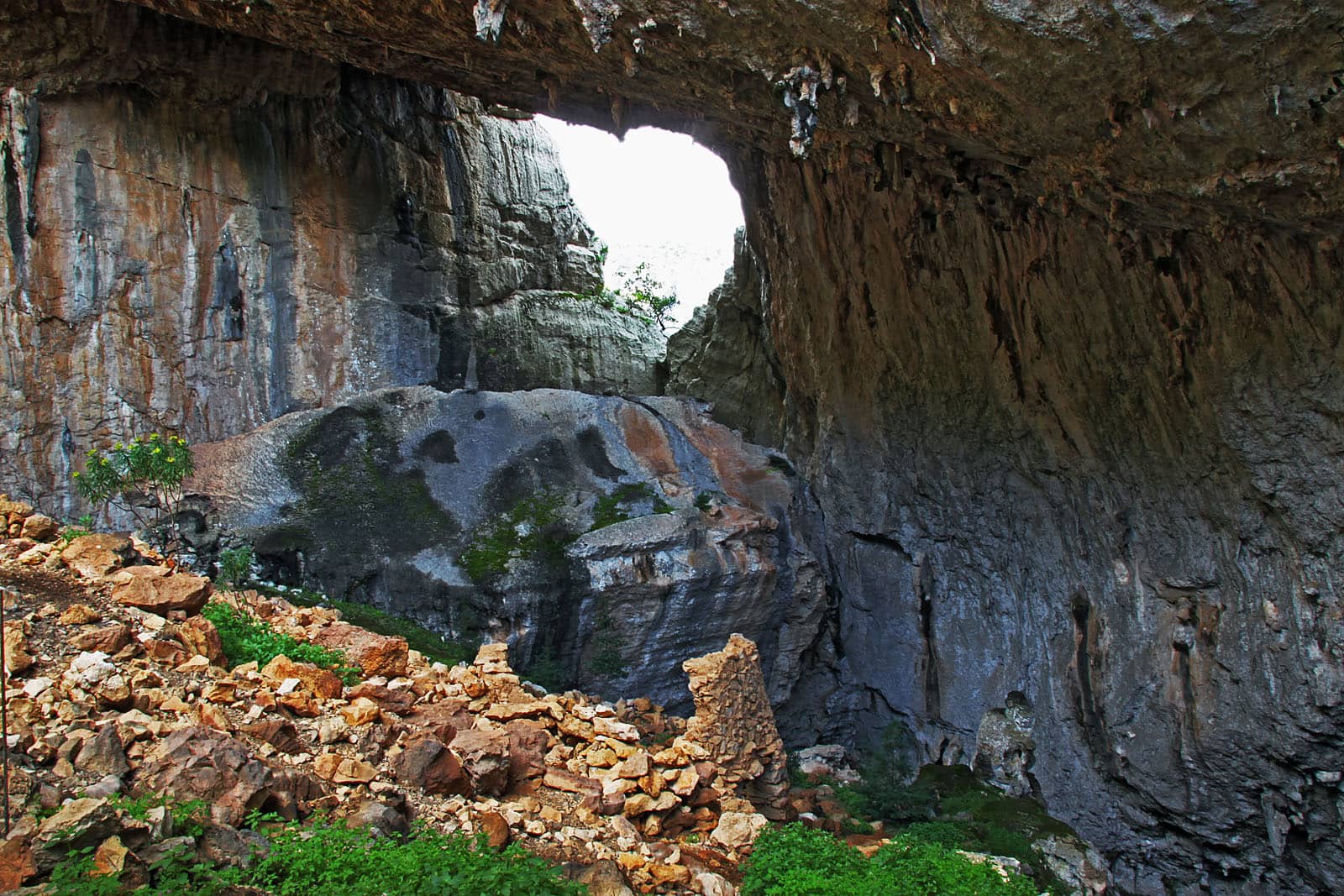
- Tiscali: the nuragic village is hidden inside a sinkhole on Monte Tiscali (just over 500 metres) and was in use from about the 15th century BC to the Iron Age, with reuse in Roman times. There are about forty round and oval huts in the northern group and some thirty smaller dwellings. The site lies on the boundary between the territories of Dorgali and Oliena. You reach it on foot from Sa Barva/Surtana, on the Dorgali side, or from the Lanaittu valley (about 1.5 hours on a steep path). Entry is paid and Sardegna Turismo recommends relying on a guide.
- Gola Su Gorropu: about 1.5 km long, with walls up to about 500 metres high and a point only 4–5 metres wide, carved by the Rio Flumineddu. From Dorgali you go up the Oddoene valley to the s'Abba Arva bridge, then continue on foot for about two hours each way. Access is regulated and paid, with opening and closing times to respect: set off early. Check opening times, rules and whether a guide is required on the operator's official website, and avoid the canyon in bad weather or after heavy rain, because, as the operator explains, during floods the water of the Flumineddu arrives in huge quantities and with a deafening roar. For access routes, times and safety, see our complete guide to Gorropu Gorge.
Good to know: if you have no experience of long trails, go with a hiking guide: in the area, tours are organised by, among others, the Cooperativa Ghivine and Orientale Sarda Escursioni. Always tell someone where you are going, check the weather and remember that the single emergency number is 112.
A little history, from domus de janas to Cala Gonone
The territory of Dorgali has been inhabited for thousands of years. Research by the Region counts 54 domus de janas (the "fairy houses", tombs cut into the rock), 14 dolmens and 3 menhirs in the municipality; the Motorra dolmen, just over two kilometres from the town, has yielded pottery of the Ozieri culture (Late Neolithic, about 3200–2800 BC). In the area of the Bue Marino Caves there are rock engravings with about twenty stylised human figures, of prehistoric date (the dating is debated).
Then come the nuragic people: Serra Orrios, Nuraghe Mannu, Tiscali and S'Ena 'e Thomes are all here. Cala Gonone, on the other hand, is a recent village: the church of Nostra Signora di Bonaria dates from 1878, at the start of the 20th century a colony of fishermen from Ponza settled here and tourism took off in the 1950s; already in the late 19th century the middle class of Nuoro spent their summer holidays here.
Flavours, crafts and festivals
Cannonau is the wine of the area: the Cantina Dorgali, a winemaking cooperative, was founded in 1953 and about 90% of its production is Cannonau. In the Oddoene valley there is also the Cantina Berritta, a family-run farm that produces Cannonau, Vermentino and Panzale. Both offer visits and tastings by reservation. Traditional products include pane carasau, olive oil and cheeses, and typical sweets: you can find them, for example, at Esca Dolciaria, a pastry shop in Dorgali open since 1972.
Crafts are another signature of Dorgali: filigree goldsmithing (as in the Esseffe workshop), ceramics and carpets, alongside leather, wood and iron work; there are also workshops making handmade knives, such as Coltelligioiello. The ceramist and artist Salvatore Fancello (Dorgali 1916 – Albania 1941) also came from here.
The calendar is full of events. On the night of 16 January the Fire of Sant'Antonio Abate burns: rosemary plants are burned, pistiddu is baked and Cannonau flows from the cellars of the neighbourhood; the rite is documented since the mid-19th century. At the end of September comes Autunno in Barbagia: in 2026 the Dorgali stop was on 26–27 September, with a preview on the 25th. Between July and early August there is Cala Gonone Jazz, which in the 2026 edition brought concerts to the Aquarium and inside the Bue Marino Caves as well.
When to go and how to get there
For the sea the best period runs from June to September, with the warmest water between August and September. For hiking spring (April–June) and early autumn (September–October) are better: in summer the hot hours are heavy going. Ispinigoli and the archaeological sites can be visited almost all year round, with shorter hours in winter, while the Bue Marino Caves and boat trips are seasonal (roughly April to October): check beforehand, for example on the tourist portal of Dorgali and Cala Gonone, where you will also find online tickets.
To get here, the most convenient airport is Olbia, about 100 km from Dorgali and about 110 from Cala Gonone: allow an hour and a quarter to an hour and a half by car (SS 131 dcn towards Nuoro, then the exit for Lula/Dorgali). There is no commercial airport at Cala Gonone. A car is the best solution once you are here, too.
A three-day itinerary
- Day 1, Dorgali and archaeology: Archaeological Museum in the morning, then Serra Orrios and the Tomb of the Giants of S'Ena 'e Thomes. Dinner in town with a glass of Cannonau.
- Day 2, Cala Gonone and the sea: morning at Palmasera, then a boat trip to the Bue Marino Caves (if the sea allows) or to the coves. Evening at the harbour.
- Day 3, a hike: Cala Fuili–Cala Luna if you want the sea, Tiscali if you prefer history, or Gorropu from the Oddoene side if you feel fit.
If you would like a spot on the beach after your excursion, message us on WhatsApp to check availability, or see the prices for rental at Palmasera. In the coming weeks we will explore the places in this guide one by one: Gorropu, Tiscali, Cala Luna, the caves, Cannonau.
Frequently asked questions
Is Cala Gonone far from Dorgali?
No: Cala Gonone is Dorgali's only frazione (hamlet) and you reach it from the town with a few kilometres of downhill road through a short tunnel. That is why the two places are visited together.
Is the Gola di Gorropu in Dorgali?
Not quite: according to Sardegna Turismo the gorge marks the boundary between the territories of Urzulei and Orgosolo, but one of the walking routes in starts from Dorgali, through the Oddoene valley to the s'Abba Arva bridge. Some tourism pages list Dorgali among the territories involved: the details are in our Gorropu guide.
Are Cala Mariolu and Cala Goloritzé in Cala Gonone?
No, they are in the municipality of Baunei. You can also reach them by boat from Cala Gonone, but administratively they are a different matter, with their own access rules.
How many days do you need to see Dorgali and Cala Gonone?
Three days let you combine the town, the archaeological sites, the sea and a hike without rushing. With two days you have to choose between archaeology, a boat trip and trekking.
Do you need a car to get around?
Yes, it is by far the most convenient option: the archaeological sites and many trailheads are outside the built-up areas, and public transport is limited.
From the area: businesses mentioned in this article
Editorial mentions with verified official links; any commercial partnership is marked with a “Sponsored” label. If you run one of these businesses and want the entry corrected or removed, write to us.
Boat trips · Cala Gonone
Nuovo Consorzio Trasporti Marittimi (NCTM)
Consortium of boat companies active since 1985: boat trips and mini-cruises from Cala Gonone to the caves and coves of the Gulf.
Site to visit · Cala Gonone
Acquario di Cala Gonone
Aquarium with tanks devoted to the Amazon, the Mediterranean and tropical seas.
Tours and guides · Cala Gonone
Cooperativa Ghivine
Cooperative founded in 1991 in Dorgali: hikes and treks in the Supramonte, archaeological itineraries and sea outings.
Tours and guides · Dorgali
Orientale Sarda Escursioni
Excursion centre based in Dorgali: hiking in the Supramonte, kayaking on Lake Cedrino and in the Gulf of Orosei.
Winery · Dorgali
Cantina Dorgali
Wine cooperative founded in 1953: it produces Cannonau di Sardegna and offers tastings and cellar visits by reservation.
Winery · Dorgali
Cantina Berritta
Family-run farm in the Oddoene valley: Cannonau, Vermentino and Panzale, with visits and tastings by booking.
Local products · Dorgali
Esca Dolciaria
Pastry shop in Dorgali, open since 1972: traditional Sardinian sweets, honey, nougat and carasau bread, with online sales.
Crafts · Dorgali
Esseffe Laboratorio Orafo (Filigrana Sardegna)
Goldsmith workshop opened in Dorgali in 1983: Sardinian filigree jewellery, also sold online.
Crafts · Dorgali
Coltelligioiello di Ivan Pira
Craft workshop making Sardinian knives (the Dorgali “resolza”) in Dorgali, with online sales.
Sources and further reading
- Sardegna Turismo — Dorgali
- Sardegna Turismo — Dorgali and Cala Gonone
- Sardegna Turismo — Palmasera, Cala Gonone
- Sardegna Turismo — Sos Dorroles
- Sardegna Turismo — Cala Fuili
- Sardegna Turismo — Cala Luna
- Sardegna Turismo — Bue Marino Caves
- Sardegna Turismo — Ispinigoli Cave
- Sardegna Turismo — Cala Gonone Aquarium
- Sardegna Turismo — Nuragic village of Serra Orrios
- Sardegna Turismo — Nuraghe Mannu
- Sardegna Turismo — Nuragic village of Tiscali
- Sardegna Turismo — Su Gorropu Gorge
- Sardegna Turismo — Motorra Dolmen
- Sardegna Cultura — Dorgali Civic Archaeological Museum
- Sardegna Cultura — The Dorgali area in pre-nuragic times
- Sardegna Cultura — Fire of Sant'Antonio Abate in Dorgali
- Sardegna Turismo — Autunno in Barbagia 2026: Dorgali
- Sardegna Turismo — Cala Gonone Jazz
- Il Post — the Dorgali–Baunei dispute over Cala Luna (23 August 2024, in Italian)
- ANSA — The monk seal has not returned to Sardinia (5 September 2020, in Italian)
- Gola Su Gorropu — the operator's official website
- IUCN — Aquilegia nuragica
- Tuttitalia — population of Dorgali (ISTAT data, in Italian)
- Monumenti Aperti — Dorgali Social Winery
- Wikipedia — Cala Gonone (in Italian)
- Touring Club Italiano — Cala Gonone (in Italian)
Keep reading
History · October 26, 2026 · 10 min read
Tiscali Nuragic Village: Visiting the Hidden Sinkhole Site
A village built inside a sinkhole on the border between Dorgali and Oliena: the story of Tiscali, what archaeologists say and how to prepare for the visit.
Read the article →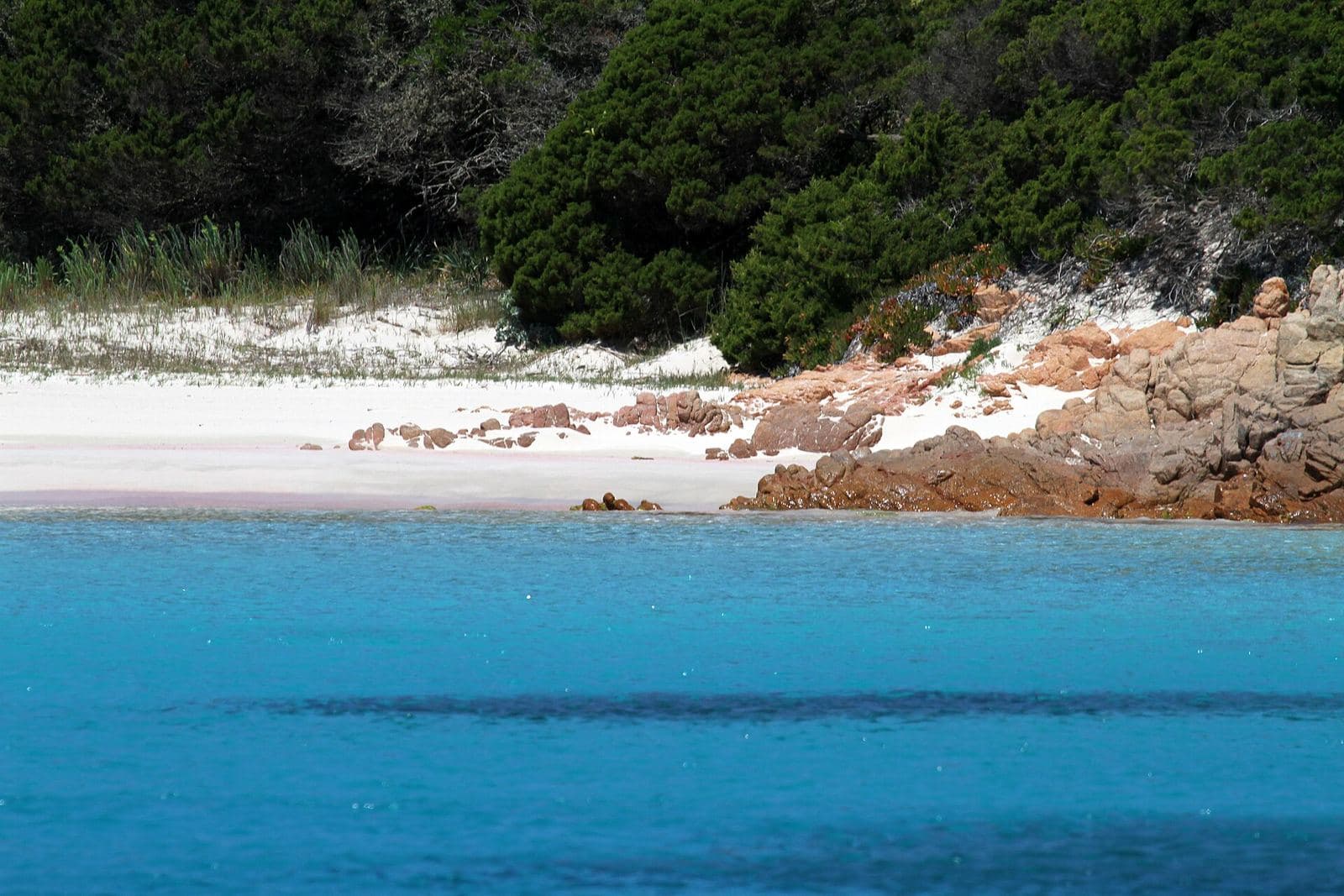
Sea and beaches · October 25, 2026 · 10 min read
Pink Beach near Cala Gonone? Where It Really Is, What to See
The famous Pink Beach is on Budelli, in the La Maddalena archipelago, and landing is not allowed. Where to see it properly and what is pinkish at Cala Gonone.
Read the article →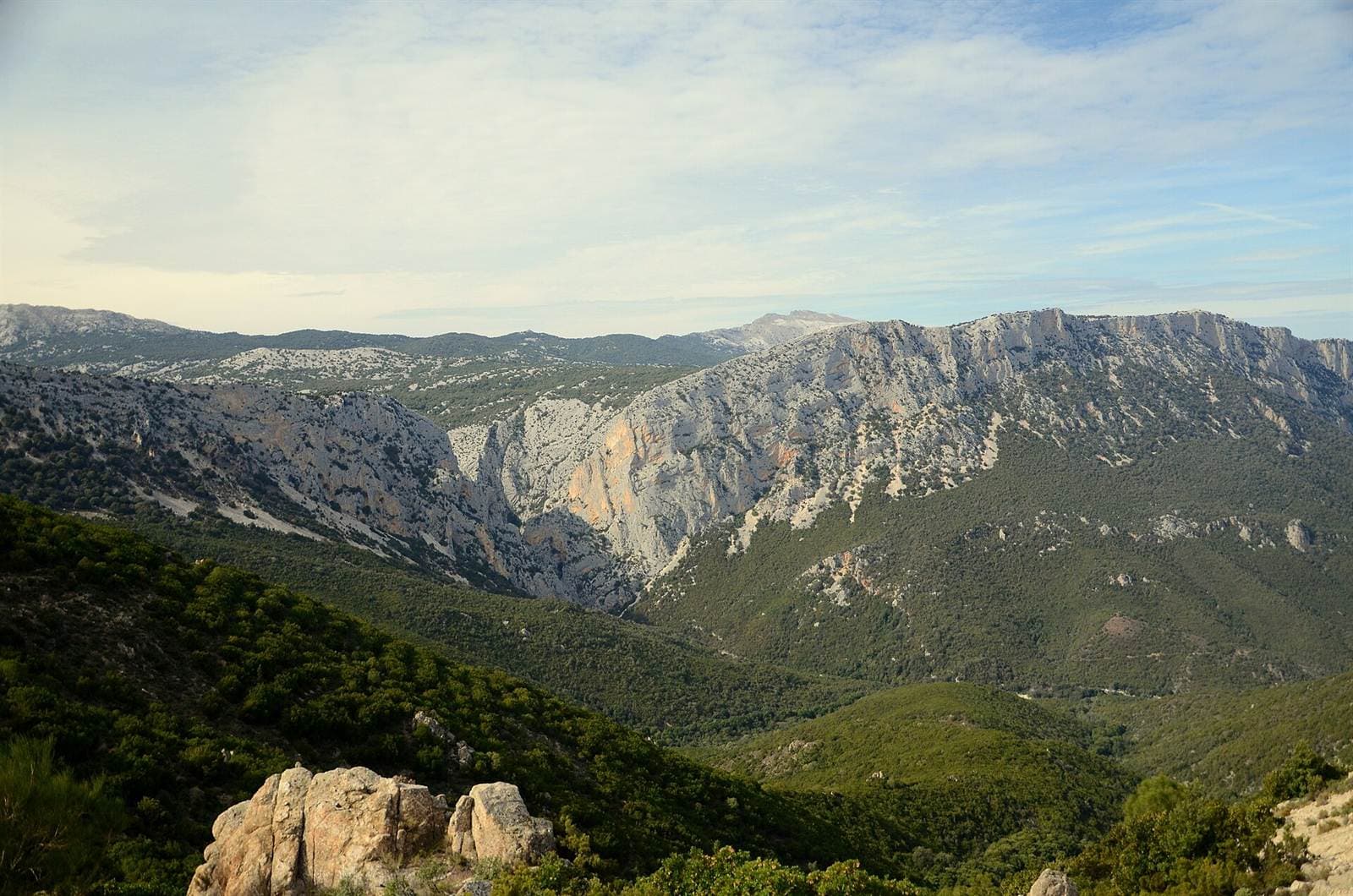
Hiking · October 25, 2026 · 13 min read
Gorropu Gorge: how to get there and what to know first
A canyon cut into the limestone of the Supramonte, between Urzulei and Orgosolo: how to reach it on foot, what sources say on tickets and guides, and why rain changes everything.
Read the article →