
Sea and beaches
Pink Beach near Cala Gonone? Where It Really Is, What to See
Published October 25, 2026 · 10 min read
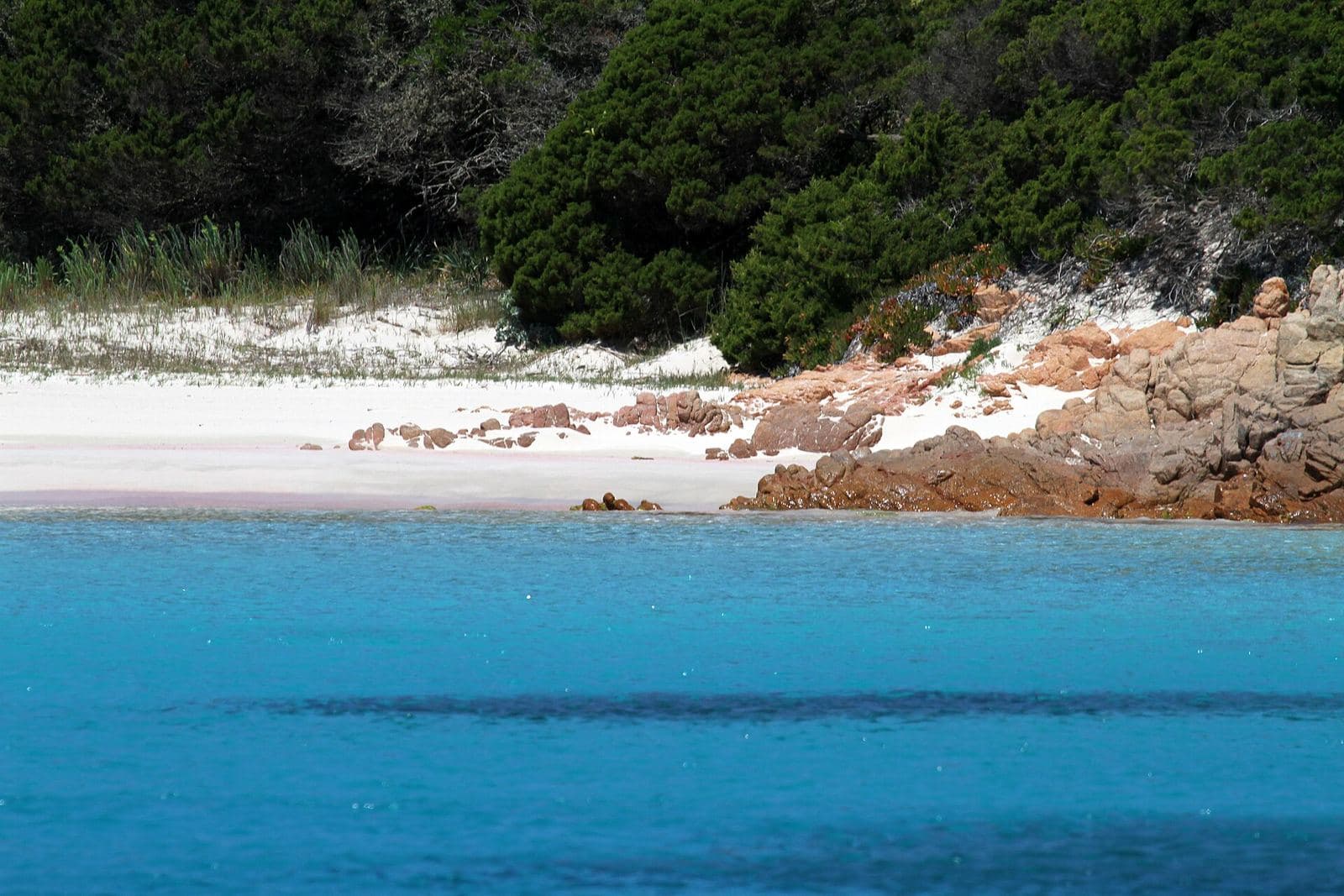
Carlo Pelagalli, CC BY-SA 3.0, Wikimedia Commons (https://commons.wikimedia.org/wiki/File:La_spiaggia_rosa_di_Budelli_-_panoramio_(1).jpg)
The famous Pink Beach is on Budelli, not at Cala Gonone, and you cannot land on it. Why it is pink, how to see it, and where to find pinkish sand nearby.
Anyone searching for “Pink Beach Cala Gonone” probably has one thing in mind: the Pink Beach of Budelli, the one in the photos with the pinkish waterline. But that beach is not at Cala Gonone, and it is not even on the Gulf of Orosei: it lies in the La Maddalena archipelago, at the far north of Sardinia, and today you cannot land on it. In this guide we put things in order: where it really is, why it is pink, what you can and cannot do, and which beaches around Cala Gonone really do have a pinkish tint.
In short
- The famous Pink Beach is on Budelli, in the municipality of La Maddalena, facing the Gallura coast. It is not at Cala Gonone, which is a hamlet of Dorgali on the Gulf of Orosei.
- On the Pink Beach you cannot land or swim: the National Park bans access to the beach itself and, in the sea in front of it, swimming, navigation, anchoring and stopping. You see it from a distance.
- According to the Park, the colour comes from fragments of the skeletons of tiny marine organisms mixed into the sand.
- At Cala Gonone Sos Dorroles and Palmasera have reddish, orange and pinkish tones, but they are not the Pink Beach. White and pink pebbles are found at Cala Mariolu (Baunei), which you can reach by boat from Cala Gonone too.
Where is the real Pink Beach (and why it is not at Cala Gonone)
The Pink Beach is on the island of Budelli, one of the islands of La Maddalena Archipelago National Park. Sardegna Turismo places it near the Bocche di Bonifacio, the strait between Sardinia and Corsica, in the far north of Sardinia. The Park locates it in a wide inlet on the south-eastern side of Budelli; Sardegna Turismo gives the place name as Cala Roto. Budelli falls within the municipality of La Maddalena, which is why the beach has its own page on the municipality's website. According to Sardegna Turismo the island was privately owned and passed definitively to the Park in May 2016; the same source recalls that in 1964 Michelangelo Antonioni shot some scenes of Deserto rosso there.
Cala Gonone is a different geography altogether: it is the seaside hamlet (frazione marina) of the municipality of Dorgali, on the Gulf of Orosei, in central-eastern Sardinia. The area of Dorgali and Cala Gonone has many beaches, but none of them is the Pink Beach of Budelli. Here are the three places side by side, according to the sources listed at the bottom.
| Pink Beach (Budelli) | Sos Dorroles and Palmasera | Cala Mariolu | |
|---|---|---|---|
| Municipality | La Maddalena | Dorgali (Cala Gonone) | Baunei |
| Why it has pink tones | Fragments of skeletons of marine organisms (Park) | Reddish gravel, orange wall of limestone debris, pinkish grains of sand brought in from elsewhere (Sardegna Turismo) | White and pink pebbles mixed with sand (Sardegna Turismo) |
| Can you go? | No: seen from a distance | Yes, from Cala Gonone | Yes, by boat or on a demanding trek |
Why is the sand of the Pink Beach pink?
The Park explains that the name comes from the high share of bioclasts, meaning fragments of shells and skeletons of marine organisms. Most come from the skeletons of bryozoans (marine animals that live in colonies), in particular Miriapora truncata, and of foraminifera (single-celled organisms with a calcareous shell), in particular Miniacina miniacea. The Park adds that these fragments concentrate right there for several reasons at once: the shape of the seabed and the coast, an extensive meadow of Posidonia oceanica (a seagrass) and low-energy currents.
Sardegna Turismo gives a simpler version: a pink micro-organism lives in the Posidonia meadows and inside shells; when it dies, the shells wash ashore and water and wind crumble them. Again according to Sardegna Turismo, in the twentieth century anchoring and irregular wave action pushed back the Posidonia and changed the make-up of the sand, and the protection rules later allowed the beach to regain its colour. Do not necessarily expect a vivid pink: the same source speaks of a “battigia rossiccia”, a reddish waterline.
It is a fragile balance, and the Park says so plainly: that is why the beach is under full protection.
Can you go onto the Pink Beach? What the rules say
No. When we checked (25 October 2026), the Park's website stated that access to the sand of the Pink Beach is forbidden and that in the stretch of sea in front of it swimming, navigation, anchoring and stopping of boats are forbidden. The municipality of La Maddalena confirms this: its page (last updated 13 June 2025) lists the beach as closed to the public.
Since when? The sources do not agree, so we give dates only with the source next to them:
- the Park recalls that full protection of the Pink Beach was put in place through the safeguard measures attached to Presidential Decree (D.P.R.) of 17 May 1996 and an ordinance of August 2008 issued to clarify the bans in force in the area;
- Sardegna Turismo speaks of full-protection safeguard rules introduced “from 1998”;
- L'Unione Sarda (12 July 2025) writes that the beach has been closed to the public since 1994.
For anyone planning a visit the year makes no difference: today the ban is in force.
Good to know: bans and authorised routes can change from one season to the next. Before booking a boat trip towards Budelli, check the current information on the website of La Maddalena Archipelago National Park and ask the operator whether, and how, the Pink Beach can be seen.
How to see the Pink Beach without breaking the rules
There are three legitimate ways to get closer, all of them from a distance.
- From the sea, on a tour of the islands. The municipality of La Maddalena says it can be seen from the sea, with the tourist services that tour the archipelago. The departure points given by Sardegna Turismo are all in northern Sardinia: Costa Smeralda, La Maddalena, Palau and Santa Teresa Gallura. The Park publishes the list of authorised passenger-transport companies and itineraries: the 2026 one was updated on 19 June.
- With your own or a chartered boat. According to the Park, some activities in its waters require authorisations (tickets) that entitle you to navigate, moor, anchor and stop within 300 metres of the coast “according to the established rules”, and they must be obtained before you enter. The bans in front of the Pink Beach remain in force: check the Park's website before you set out.
- From land. The Park has set up a path with walkways to admire the beach from afar. Sardegna Turismo writes that it can be seen from the nearby Spiaggia del Cavaliere, accompanied by a Park guide. The arrangements change: ask the Park or an authorised operator.
The Spiaggia del Cavaliere, in the north-east of Budelli, is a regular stop on guided tours but it is fragile too: the Park explains that, because of erosion of the beach, since 2020 it has been only partly open, and according to Sardegna Turismo anchoring is allowed only to charters authorised by the Park. Rules here are updated as well: check before you go.
Pinkish sand at Cala Gonone: Sos Dorroles and Palmasera
At Cala Gonone the word “pink” really does appear in the official descriptions, but with a different meaning from Budelli.
Sos Dorroles is about a kilometre from Cala Gonone: you reach it by a detour along viale Bue Marino. Sardegna Turismo writes that orange and pink are the colours of its beach and attributes them to two things: the wall of limestone debris that surrounds it and pinkish grains of “sabbia di riporto”, sand brought in from elsewhere. The tourist portal dorgaligonone.it instead describes it as a mix of sand and pebbles, with an ochre-coloured rock wall behind. The seabed slopes gently and is appreciated for snorkelling.
Palmasera is the continuation of Sos Dorroles towards the north and is the widest beach in Cala Gonone. Sardegna Turismo opens its page with the image of a “striscia rosa” (pink strip) and speaks of reddish grains of gravel mixed with fine, pale sand; for dorgaligonone.it it is pale sand with red gravel and pebbles, and the northern stretch came from a beach-nourishment project (ripascimento: sand added to widen the beach). There is parking, refreshment points and rental of umbrellas and sunbeds. Palmasera is also the beach where we work: to see how our sunbed and umbrella rental at Palmasera works, you will find everything on the dedicated page.
So what to expect: warm tones (reddish, orange, pink) that change with the light, on gravel and pale sand. Not a stretch of pink sand like Budelli. These are different beaches in colour, origin and rules: at Palmasera and Sos Dorroles you can lay out your towel, on the Pink Beach you cannot.
Pink pebbles near Cala Gonone: Cala Mariolu
If you are looking for pink among the coves of the Gulf, the regional source mentions it at Cala Mariolu, which however is in the municipality of Baunei, not Dorgali. Sardegna Turismo describes it with round white and pink pebbles mixed with sand and recalls its Sardinian name is pùligi de nie, “the snow fleas”.
There are two ways to get there. By boat, with services leaving, among others, from the port of Cala Gonone: among the operators, the Nuovo Consorzio Trasporti Marittimi lists Cala Mariolu among the excursions on its website. Or overland, on a demanding trek meant for experienced walkers. Since it is in Baunei, that municipality's access rules apply: check them on the Comune di Baunei website and ask the boat operator.
To avoid false hopes: for the other coves of the Gulf, Sardegna Turismo does not mention pink. Cala Luna, straddling Dorgali and Baunei, has about 800 metres of very fine, golden sand. In Baunei, Cala Sisine and Cala Biriola have white pebbles. At Cala Gonone, Ziu Martine has pale sand with black pebbles and Cala Fuili white sand mixed with stones. To work out which place belongs to which municipality, there is the guide to the area.
Practical tips and safety
- Take nothing away. Regional law 16/2017, cited in a press release of the Italian Customs and Monopolies Agency dated 6 August 2024, forbids removing, holding or selling even small amounts of sand, pebbles, stones or shells from the shore, and provides for penalties. It is not just theory: between June and July 2024 the Agency seized marine items at the port of Olbia. It applies at Cala Gonone as much as at Budelli.
- Boats and weather. Boat trips follow the season and the weather, and bad weather can cancel departures: do not stake everything on your only free day. Ask the operator what is included and which Park or municipal rules apply.
- Sun and heat. Bring a hat, plenty of water and sun protection, especially if you go by boat in the middle of the day. Water shoes help on stony seabeds.
- Rules that change. Access, tickets and itineraries are updated: always check the official website of the Park (for Budelli) and of the Comune di Baunei (for the coves in Baunei).
- Emergencies. If you need help at sea or on land, the single emergency number is 112.
If you are staying at Cala Gonone and want a spot on the beach at Palmasera, message us on WhatsApp to check availability, or see the rental prices. And if what you had in mind was really the Pink Beach, the simplest way is a boat tour departing from northern Sardinia, with authorised operators: from a distance, so as not to upset a balance that the Park itself calls fragile.
Frequently asked questions
Is the Pink Beach at Cala Gonone?
No. The famous Pink Beach is on the island of Budelli, in the La Maddalena archipelago, at the far north of Sardinia. Cala Gonone is a hamlet of Dorgali on the Gulf of Orosei: here Sos Dorroles and Palmasera have reddish and pinkish tones, but they are something else.
Can you go onto the Pink Beach of Budelli?
No. La Maddalena Archipelago National Park bans access to the beach itself and, in the stretch of sea in front of it, swimming, navigation, anchoring and stopping. It can only be seen from a distance: always check the current rules on the Park's website.
Why is the sand of the Pink Beach pink?
According to the Park, because of a high share of bioclasts, meaning fragments of the skeletons of marine organisms, mostly bryozoans and foraminifera (in particular Miniacina miniacea). They build up there thanks to the shape of the seabed, the Posidonia meadow and weak currents.
Can I take home a little sand or a few pebbles?
No. Under regional law 16/2017, cited in a 2024 press release of the Italian Customs and Monopolies Agency, taking away even small amounts of sand, pebbles, stones or shells from the shore is forbidden in Sardinia, and penalties apply.
Where can I find pink pebbles near Cala Gonone?
At Cala Mariolu, in the municipality of Baunei: Sardegna Turismo describes it with round white and pink pebbles mixed with sand. You get there by boat, among other places from the port of Cala Gonone, or on a demanding trek.
From the area: businesses mentioned in this article
Editorial mentions with verified official links; any commercial partnership is marked with a “Sponsored” label. If you run one of these businesses and want the entry corrected or removed, write to us.
Sources and further reading
- Parco Nazionale dell'Arcipelago di La Maddalena — Budelli
- Parco Nazionale dell'Arcipelago di La Maddalena — Norme attuative
- Parco Nazionale dell'Arcipelago di La Maddalena — Ticket di accesso e autorizzazioni
- Parco Nazionale dell'Arcipelago di La Maddalena — Trasporto passeggeri: ditte autorizzate e itinerari 2026
- Comune di La Maddalena — Spiaggia Rosa
- Sardegna Turismo — Spiaggia Rosa
- Sardegna Turismo — Budelli
- Sardegna Turismo — Spiaggia del Cavaliere, Budelli
- Sardegna Turismo — Sos Dorroles
- Sardegna Turismo — Palmasera, Cala Gonone
- Sardegna Turismo — Cala Mariolu
- Sardegna Turismo — Cala Luna
- Dorgali Gonone — Le spiagge di Cala Gonone
- Agenzia delle Dogane e dei Monopoli — comunicato del 6 agosto 2024 su sabbia e conchiglie prelevate dalle spiagge sarde
- L'Unione Sarda — La Maddalena, what is the health of the Pink Beach? (12 luglio 2025)
- Wikipedia — Budelli
Keep reading
The area · October 9, 2026 · 12 min read
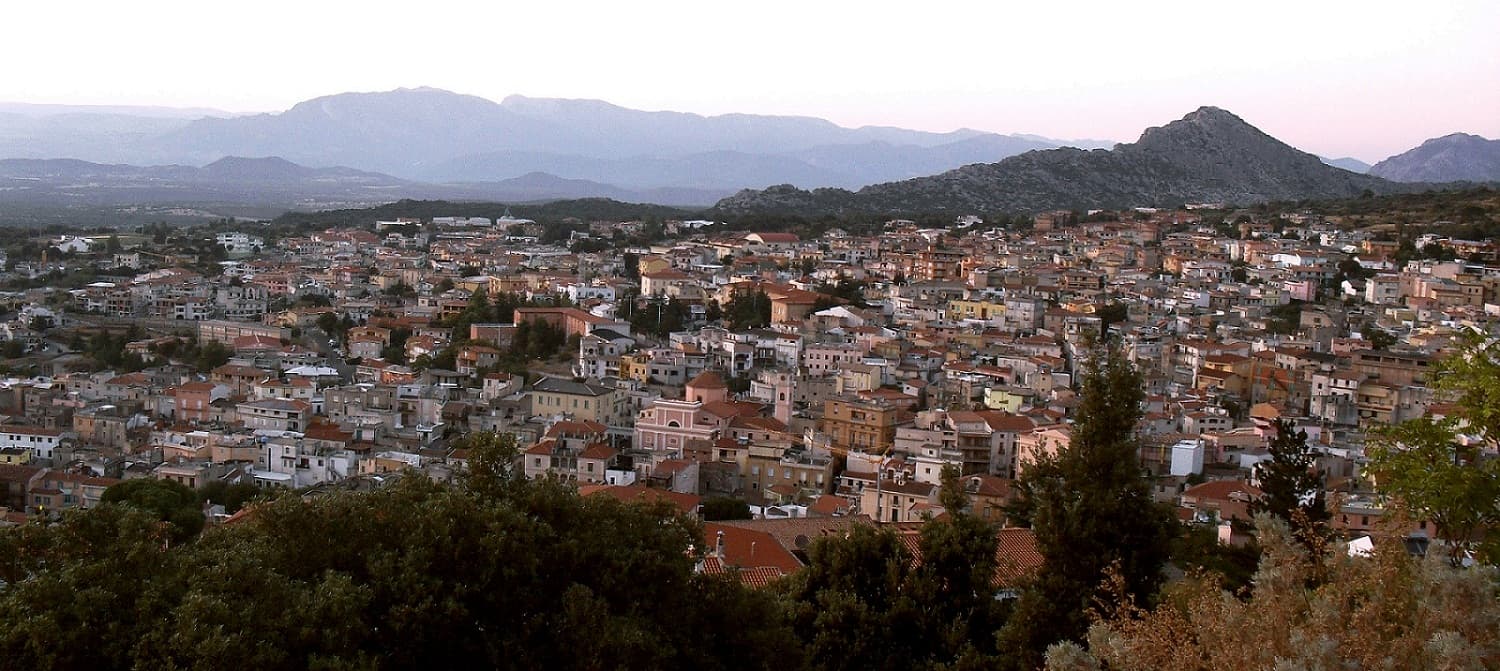
What to See in Dorgali and Cala Gonone: A Guide to the Area
A mountain town facing the sea, a seaside village on the Gulf of Orosei and a hinterland of gorges, caves and nuragic villages: how to find your way and what not to miss.
Read the article →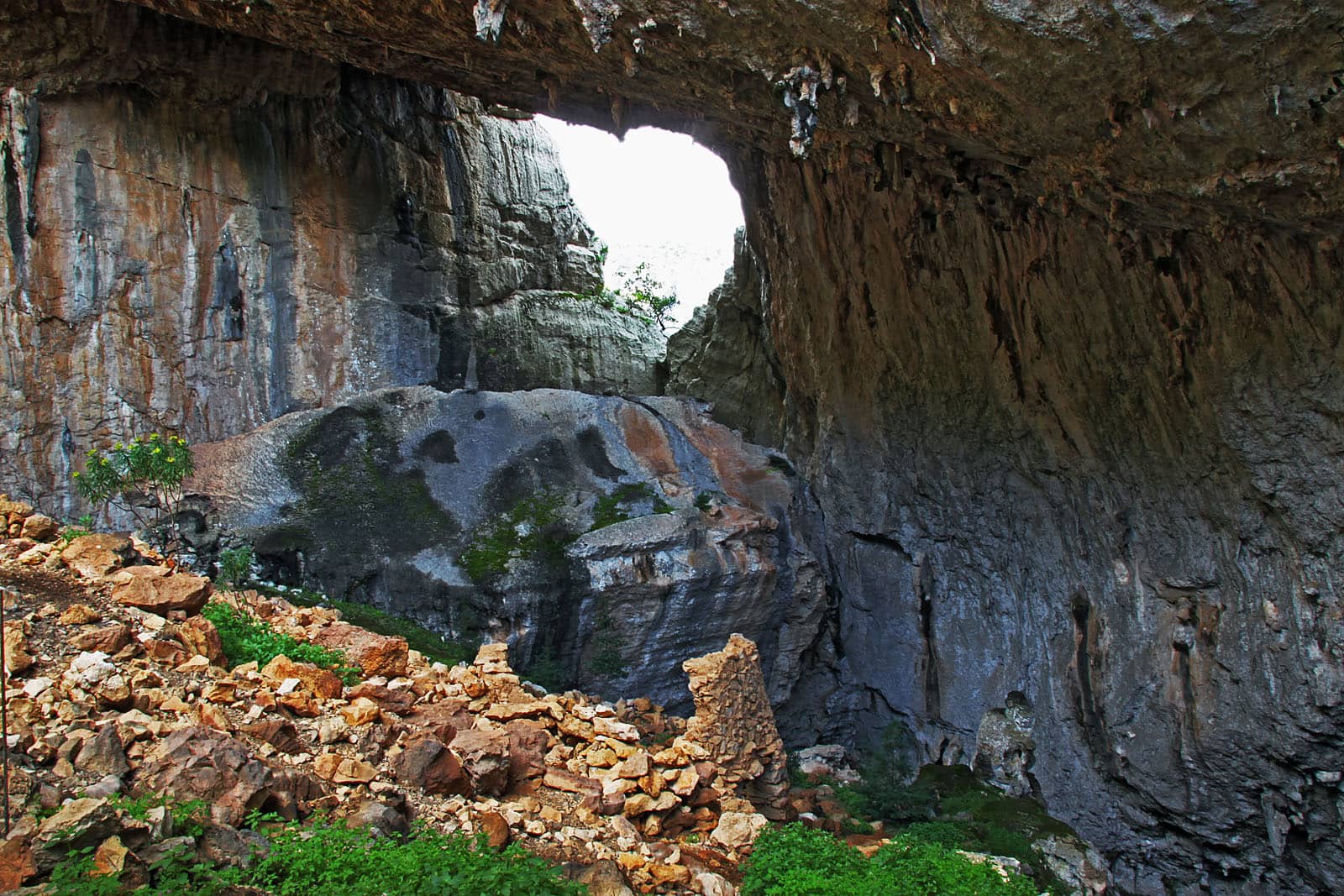
History · October 26, 2026 · 10 min read
Tiscali Nuragic Village: Visiting the Hidden Sinkhole Site
A village built inside a sinkhole on the border between Dorgali and Oliena: the story of Tiscali, what archaeologists say and how to prepare for the visit.
Read the article →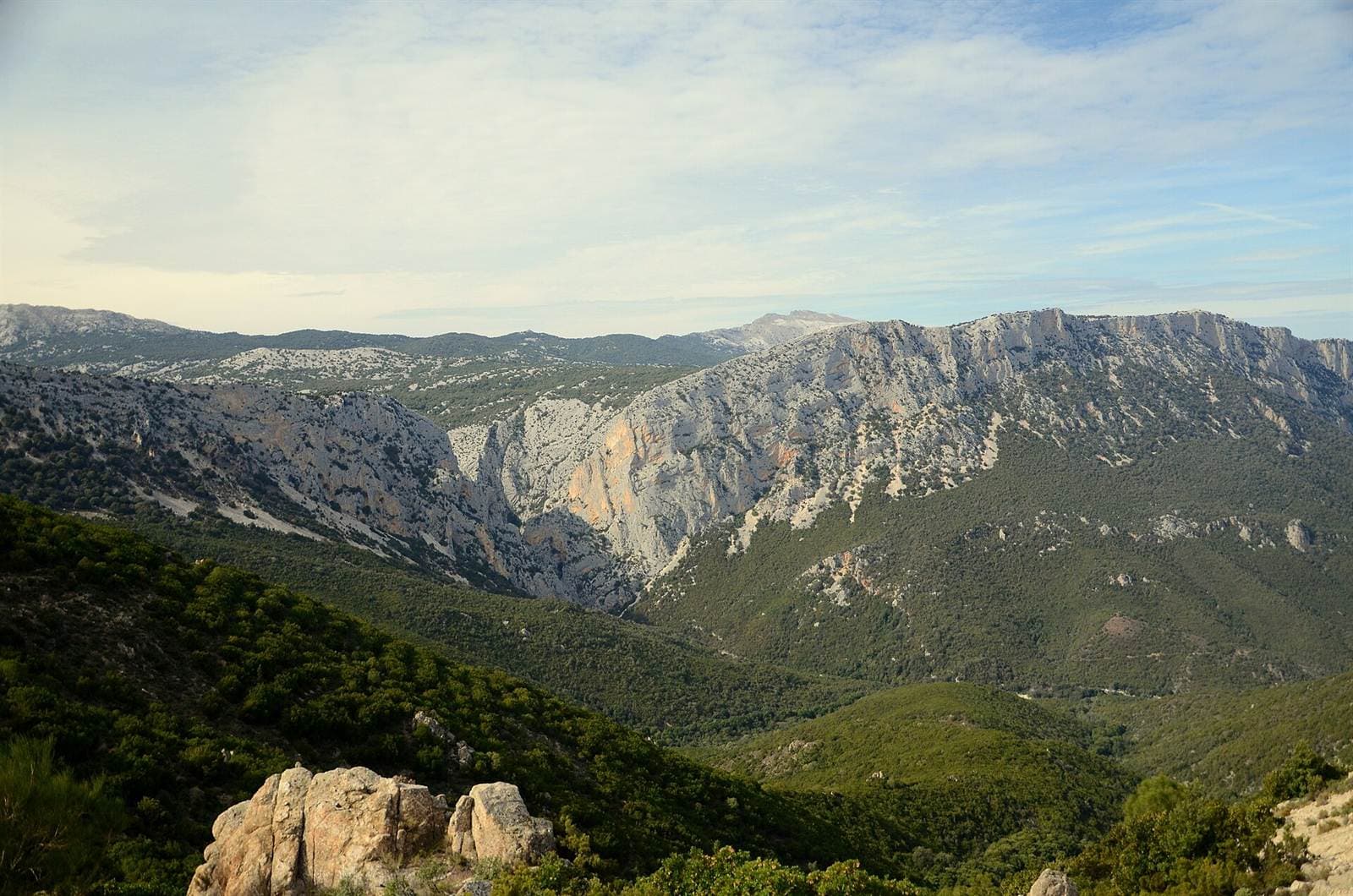
Hiking · October 25, 2026 · 13 min read
Gorropu Gorge: how to get there and what to know first
A canyon cut into the limestone of the Supramonte, between Urzulei and Orgosolo: how to reach it on foot, what sources say on tickets and guides, and why rain changes everything.
Read the article →